Everyday
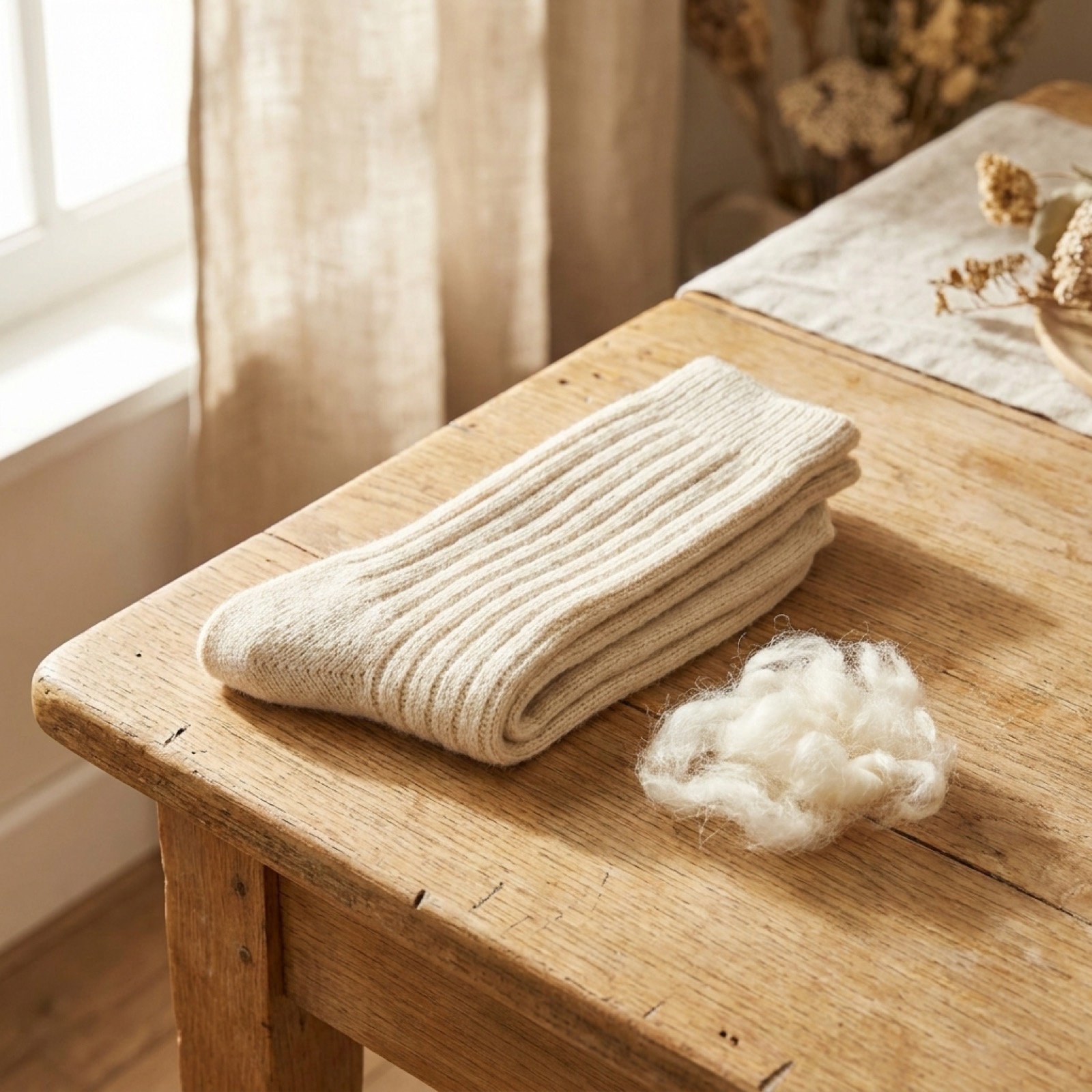
The Everyday Crew
Fleece from Clementine
Mid-weight, ribbed, and the pair you’ll reach for first. Warm enough for a cold kitchen floor, thin enough for regular shoes.
$28

Every pair is knitted from fleece off our own herd. No importers, no mystery blend — you can look up the animal your socks came from.
We make what our herd can actually supply. When a fleece runs out, the sock sells out — and it comes back after the next shearing.
Mid-weight, ribbed, and the pair you’ll reach for first. Warm enough for a cold kitchen floor, thin enough for regular shoes.
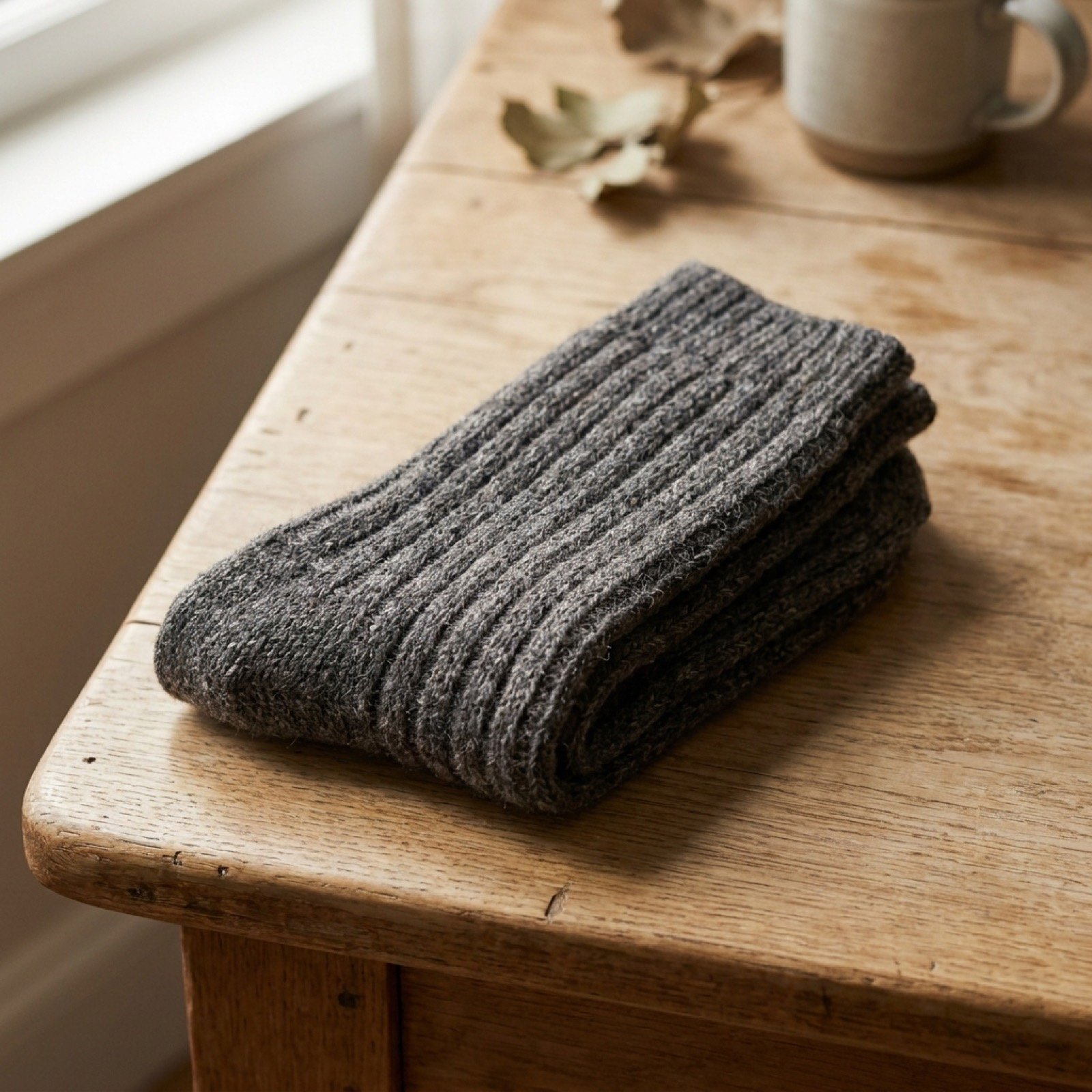
Thick, cushioned underfoot, built for boots and cold mornings. This is the pair people buy a second time for someone else.
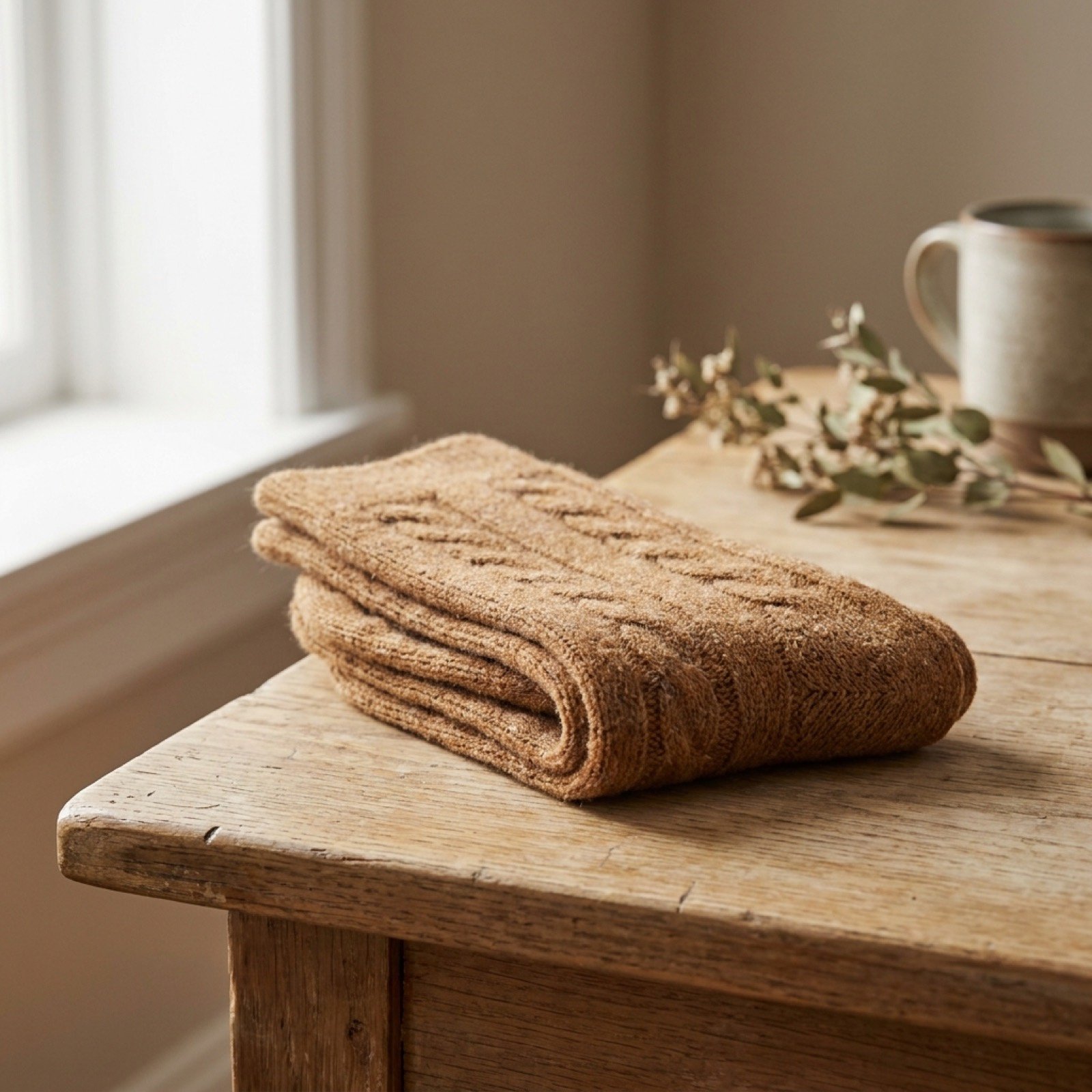
A finer knit for the rest of the year. Same fibre, less of it — for people who run warm or wear tighter shoes.
Most alpaca socks are made from fibre bought by the bale, from animals nobody selling them has ever met. Ours have names, opinions, and a spot in the pasture.
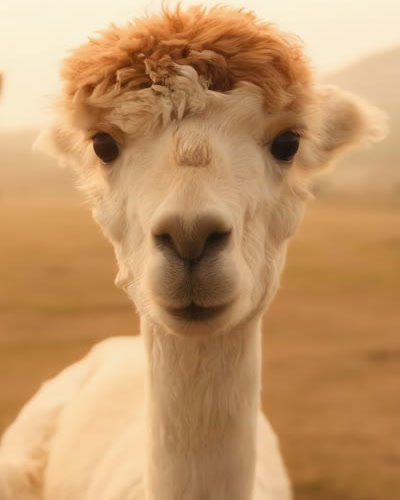
The caramel topknot. First to the gate, every morning.
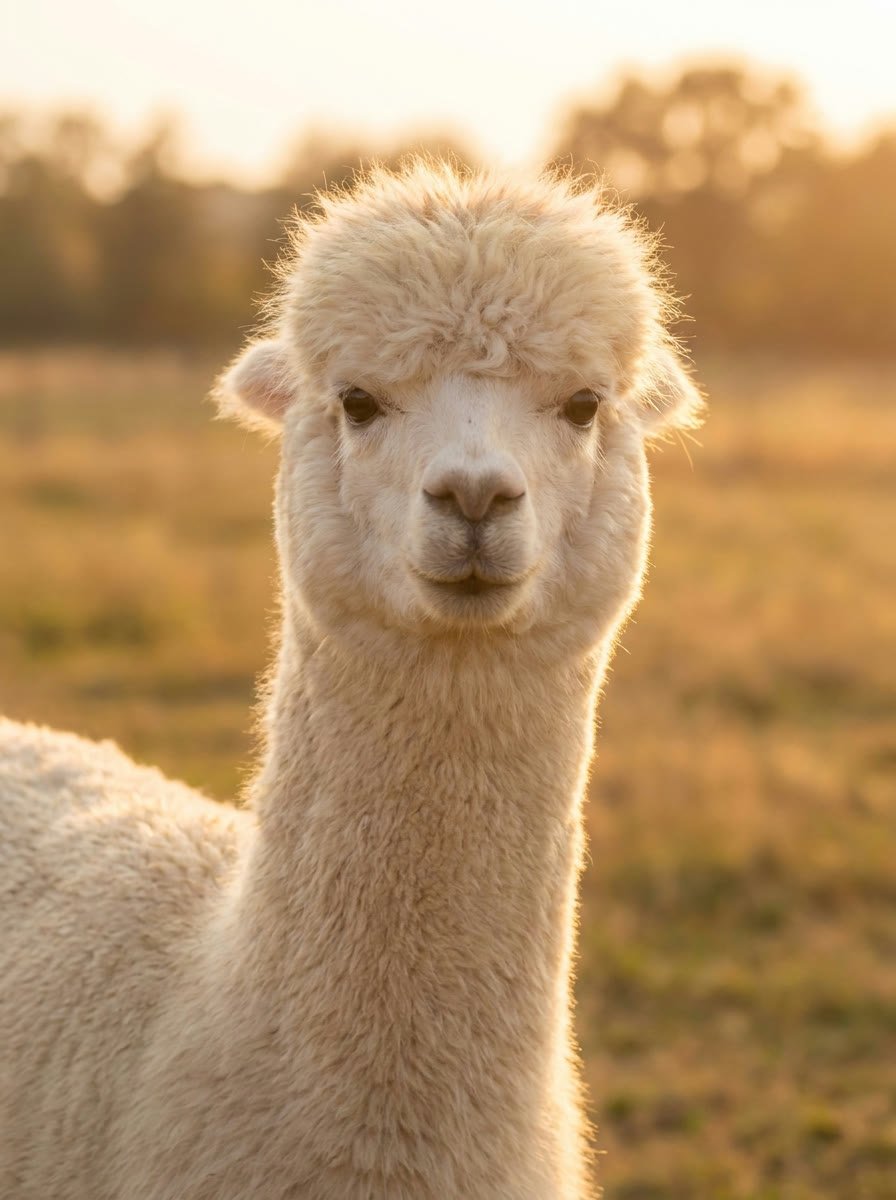
The palest of the four, half a step behind Clementine wherever she goes.
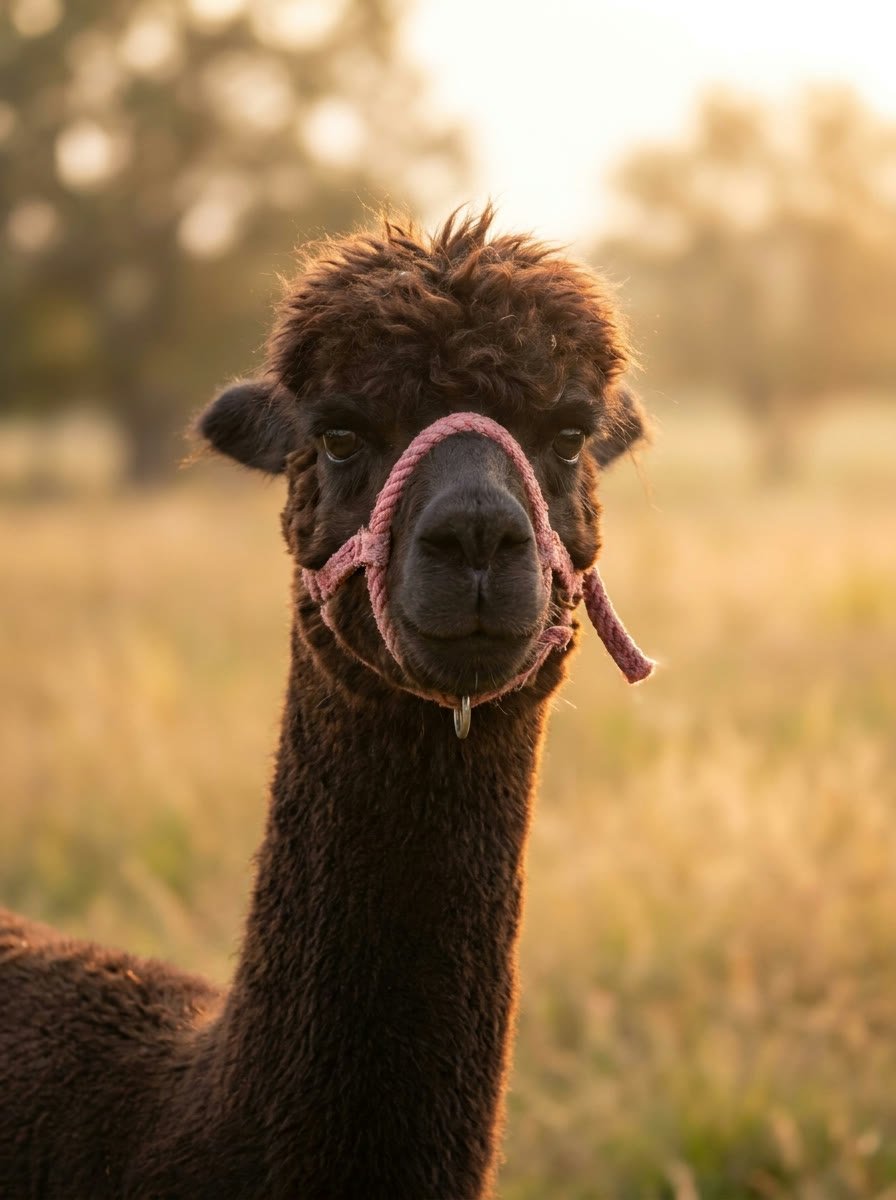
The dark one in the pink halter, and the tallest on the farm.
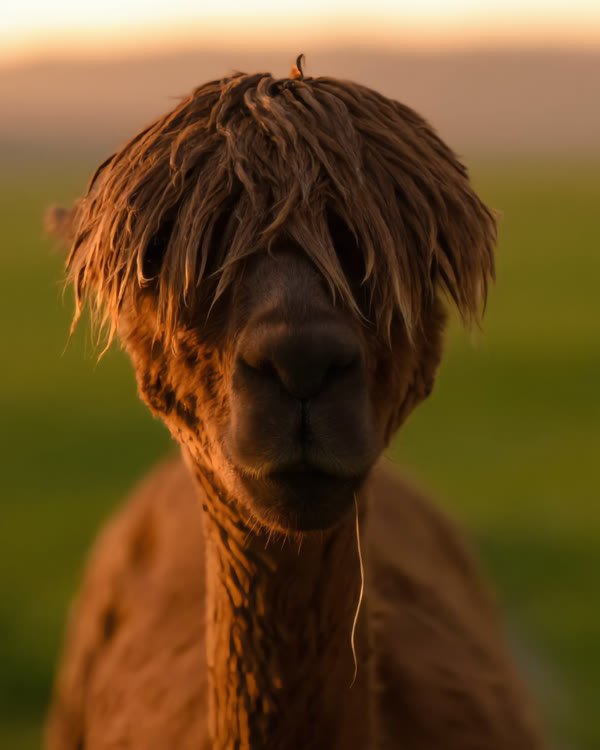
The rust-coloured one with the fringe. Softest fibre we shear.
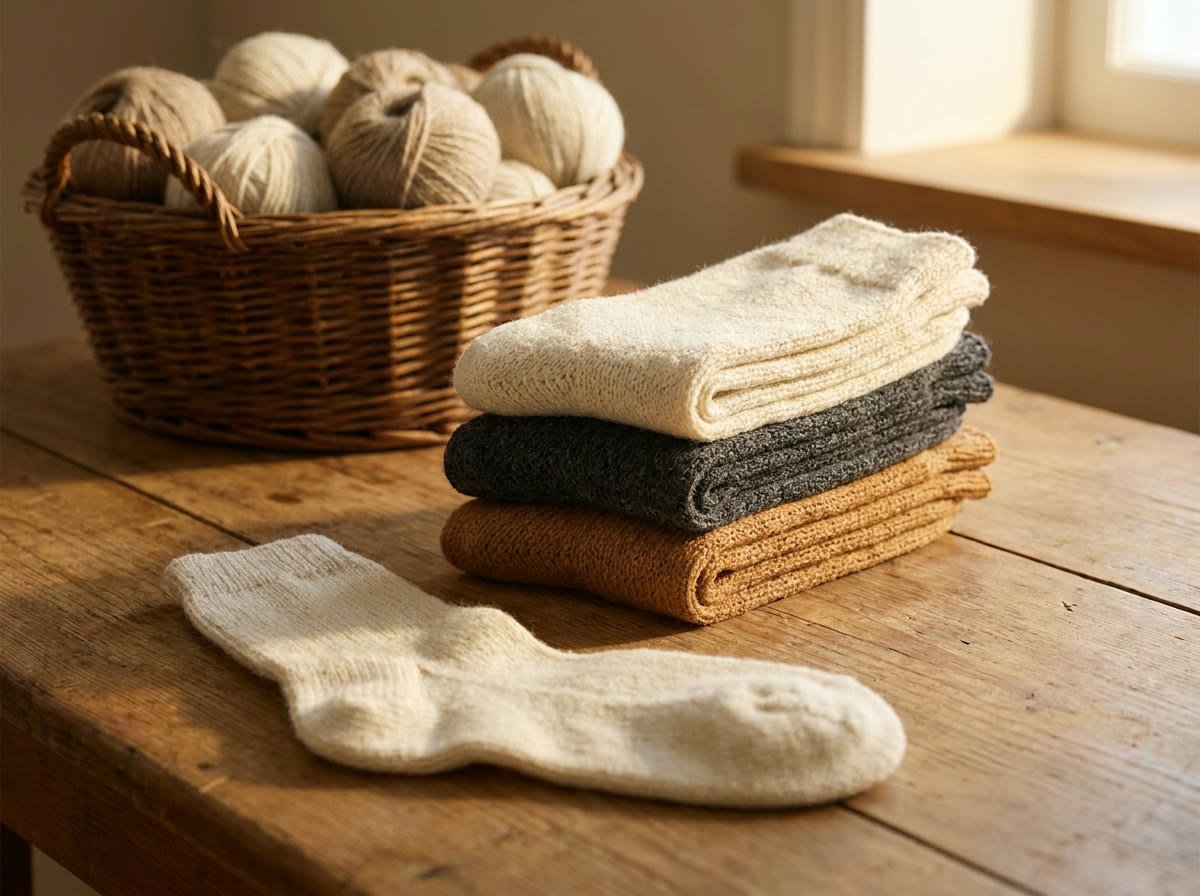
The animals are shorn once a year in the spring — a haircut, nothing more. The fleece is sorted by hand on the farm, spun into sock yarn, and knitted in small batches.
Shearing keeps them cool and healthy through summer. They walk away with a haircut and go straight back to grazing.
Each fleece is skirted and graded on the farm, so the fibre in a pair of socks is traceable back to the animal it grew on.
Alpaca fibre contains no lanolin — the waxy grease in sheep’s wool that makes so many people itch. It’s why alpaca suits people who can’t wear wool.
Each strand is hollow-cored. It traps warm air and pulls moisture away from the skin, so feet stay warm without going damp.
We didn’t set out to make socks. We set out to keep a few alpacas, and then discovered that a fleece is far too good a thing to throw away. One winter we had a batch of yarn spun, had it knitted into socks, and gave them to family. They asked for more. So did their friends.
Everything you see here still comes off the same handful of animals out the back window. When they have a good year, we make more socks. When they don’t, we make fewer.